
Alternatives to Electric Heating
Looking for alternatives to electric heating?
Learn how propane can lower energy costs while delivering reliable home heating, hot water and backup power.
As electric rates continue to rise, many homeowners are actively searching for alternatives to electric heating that offer better comfort, reliability, and long-term cost control. While electric systems are common, they often struggle in cold weather and can lead to unpredictable utility bills. Propane, by comparison, delivers consistent performance across home heating, water heating, fireplaces, and backup power, making it a practical option for households looking to reduce reliance on electricity.
This page explores how propane compares to electric systems and why it is increasingly chosen as a lower-cost heating alternative.

Why Homeowners Are Looking Beyond Electric Heat
Electric heating systems, including heat pumps and electric water heaters, are heavily affected by utility rate increases and peak-demand pricing. As a result, monthly heating and hot water costs can rise quickly during colder months. Propane provides an alternative that is not tied to the electric grid, helping homeowners gain more control over energy usage and long-term operating costs.
In addition, propane appliances deliver stronger heat output and faster recovery times, improving comfort while reducing dependence on electricity.

Comfort
Reliable warmth, endless hot water, and backup power. Propane keeps your home comfortable year-round.

Efficiency
Propane heats faster, runs cleaner, and uses less energy than electric alternatives.

Savings
Lower energy costs with high-efficiency propane appliances that reduce utility bills.

Propane Home Heating: Reliable Warmth in Any Weather
A Proven Alternative to Electric Heat Pumps
For homeowners seeking a lower-cost alternative to electric heating, propane furnaces offer a clear advantage. Propane furnaces deliver air temperatures up to 25 degrees warmer than electric heat pumps, resulting in faster, more consistent heating throughout the home. Unlike electric heat pumps, which lose efficiency as outdoor temperatures drop, propane furnaces maintain performance even during extreme cold.
Propane heating systems are also known for their durability. In many cases, propane furnaces last 5–10 years longer than electric heat pumps, helping reduce replacement costs over time. Because propane burns cleanly and efficiently, it also produces fewer greenhouse gas emissions than electricity generated from fossil-fuel power plants.

Propane Water Heating: Faster Recovery, Lower Operating Costs
An Efficient Alternative to Electric Water Heaters
Propane water heaters are widely recognized as a more efficient and cost-effective alternative to electric models. A propane water heater can heat water nearly twice as fast as an electric unit, ensuring a steady supply of hot water for showers, laundry, and daily household use.
For homeowners looking to further reduce electric usage, propane tankless water heaters provide hot water on demand without standby energy loss. These systems are especially effective in high-demand homes and can cost up to 30% less to operate than electric water heaters over time.
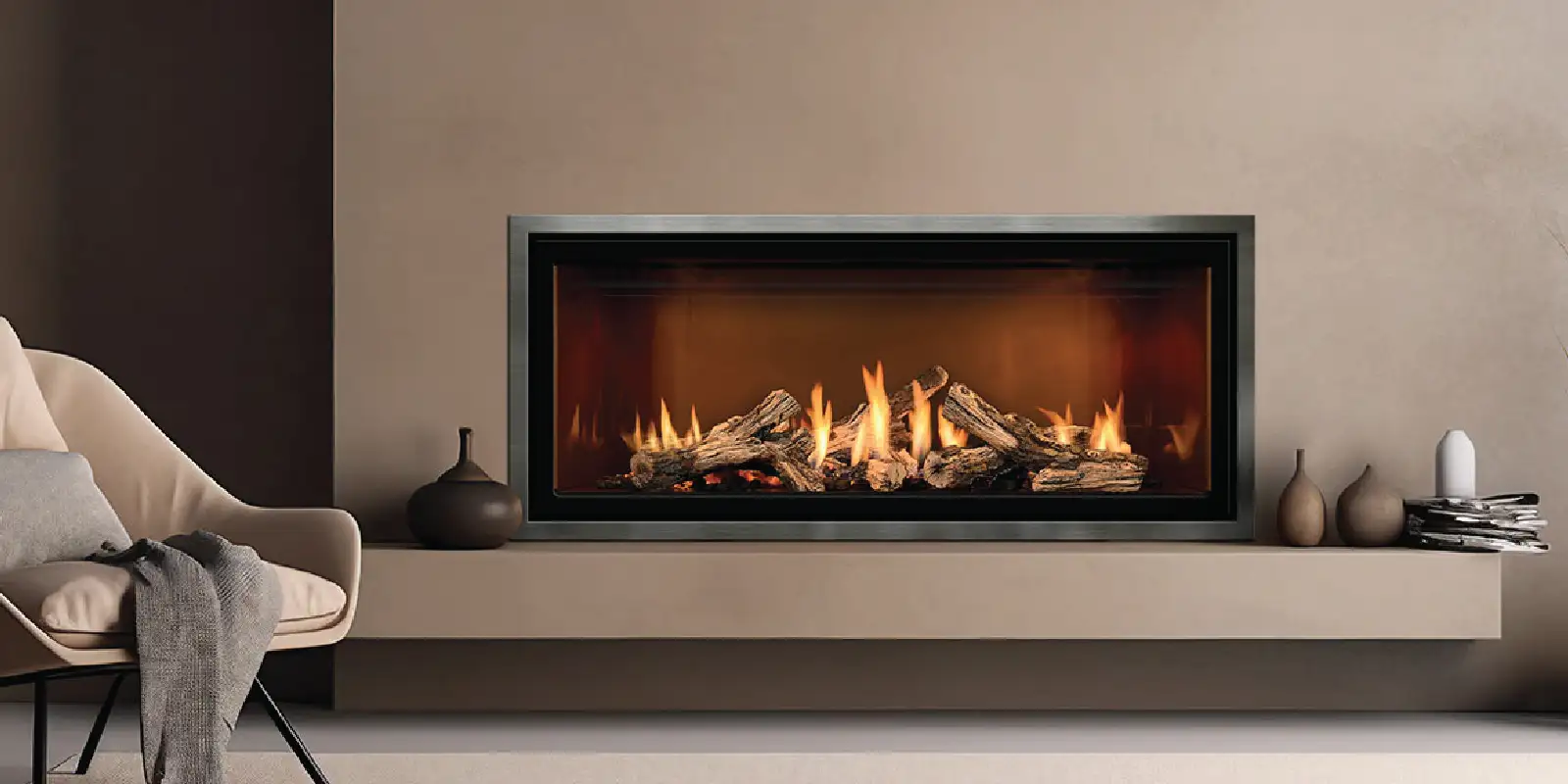
Propane Fireplaces: Real Heat Without Electric Dependence
Comfort and Ambiance with Greater Heating Performance
Propane fireplaces offer more than visual appeal—they provide real, usable heat. Unlike electric fireplaces, which are often decorative, propane fireplaces produce strong, efficient warmth using real flames. This makes them a functional supplemental heat source, not just an accent feature.
Because propane fireplaces do not rely on the electric grid for heat production, many models continue operating during power outages, adding both comfort and reliability. Flexible venting options also allow installation in a wide range of living spaces.
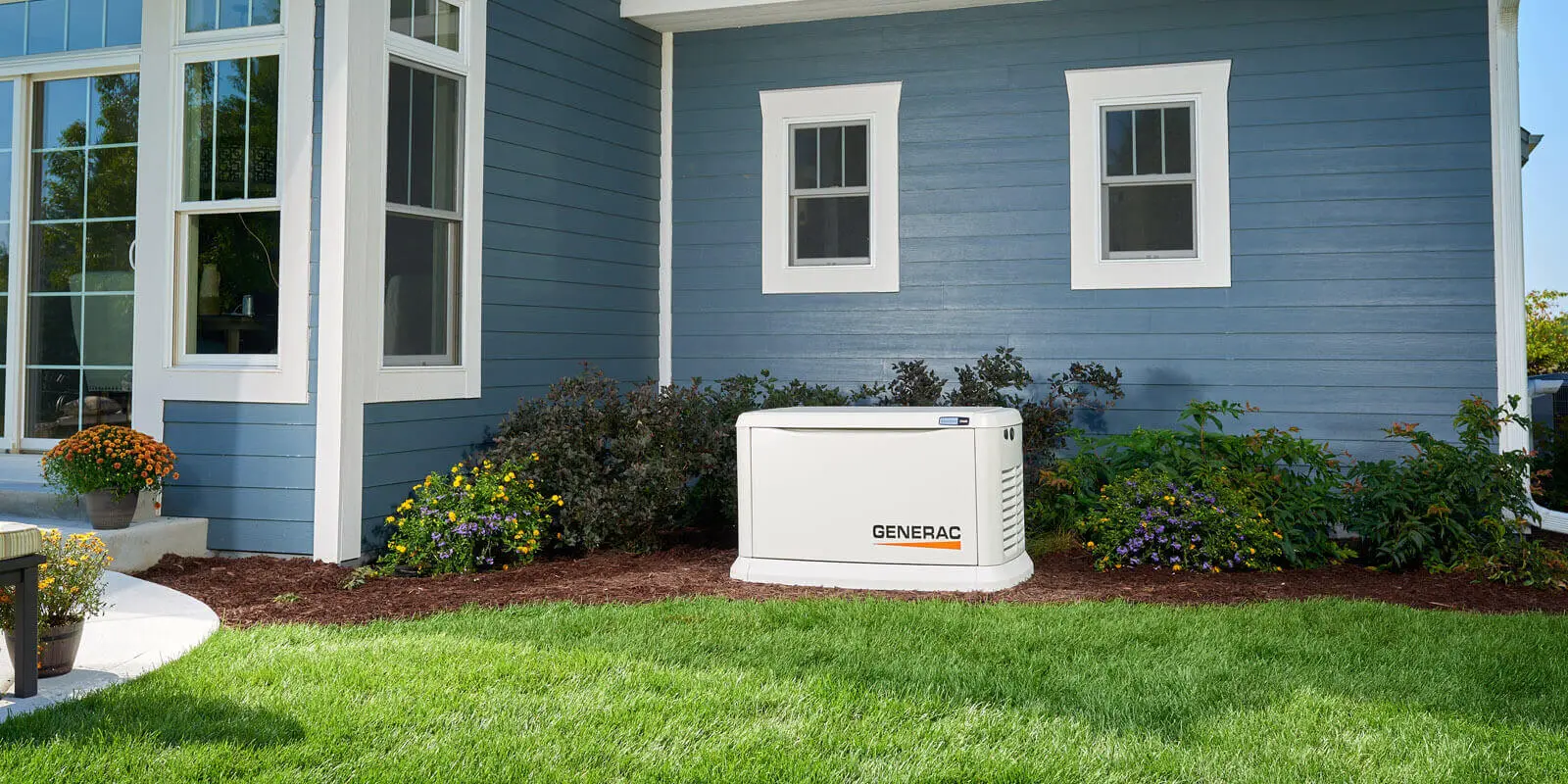
Backup Power: Reducing Dependence on the Electric Grid
Propane Generators for Whole-Home Reliability
For homeowners concerned about electric reliability, propane standby generators provide a dependable backup solution. While generators do require electricity to manage controls and transfer systems, propane-fueled units offer long-term fuel stability and extended runtime when outages occur.
With a properly sized propane tank, a standby generator can power essential systems such as heating equipment, refrigeration, lighting, and medical devices for days or longer. Because propane does not degrade over time, it remains ready whenever backup power is needed.
Contact us and see how we can help lower your energy bill today!
A Smarter Alternative to Electric Energy
Lower Energy Costs Without Sacrificing Comfort
For homeowners facing rising electric costs, propane offers a practical and measurable path forward. Rather than remaining fully dependent on fluctuating utility rates, many households are choosing propane to stabilize long-term energy expenses while improving day-to-day performance.
Propane systems deliver stronger heating output, faster hot water recovery, and dependable backup power—capabilities that electric systems often struggle to match during peak demand or extreme weather. By shifting key appliances such as furnaces, water heaters, fireplaces, and generators to propane, homeowners can significantly reduce their reliance on the electric grid.
The result is greater control over monthly energy costs, improved home comfort during cold weather, and added resilience when outages occur. For those actively searching for alternatives to electric heating, propane provides a balanced solution that addresses both performance and long-term operating expenses.
In addition to performance and cost advantages, propane is recognized as a low-emission energy source. It produces fewer greenhouse gas emissions than electricity generated from many fossil-fuel power plants, helping homeowners reduce their overall carbon footprint while improving energy efficiency.