

How to Read a Propane Tank Gauge
Knowing how to read a propane tank gauge is essential for homeowners who rely on propane for heating, fireplaces, water heaters, cooking appliances, and other residential systems. Unlike a fuel gauge in a vehicle, a propane tank gauge does not show gallons remaining. Instead, it displays the percentage of propane left in the tank, which can be used to estimate remaining fuel and determine when it is time to schedule a refill.
This guide explains exactly how to read a propane tank gauge, what the numbers mean, and how to estimate how much propane is left in your tank using a percentage-based chart.
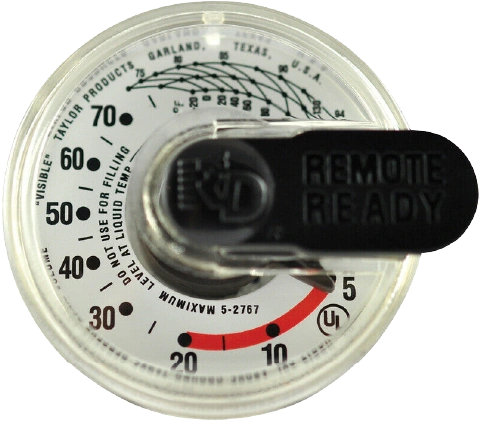
What a Propane Tank Gauge Measures
A residential propane tank gauge measures the percentage of total tank capacity, not the number of gallons inside the tank. This design is intentional and is based on propane safety standards.
Propane expands and contracts with changes in temperature. To allow safe room for expansion (especially during warmer weather), propane tanks are typically filled to no more than 80–85% capacity. Because of this, the tank’s gauge is calibrated to read from empty up to around 80–85%, even when the tank has just been freshly filled. This helps ensure safe and reliable operation year-round.
The gauge is typically located under the protective dome on top of the tank and is visible without removing any components.
How to Read a Propane Tank Gauge Step by Step
Reading a propane tank gauge is straightforward and only takes a moment.
- Locate the gauge on the top of the tank, usually beneath the dome cover.
- Read the number displayed, which represents the percentage of propane remaining in the tank.
- Understand that the reading reflects capacity, not gallons. For example, a reading of 50 percent means the tank is approximately half full.
- Monitor changes over time, especially during colder months when propane usage typically increases.
Because propane is stored as a liquid under pressure, gauge readings may move slowly or remain steady for long periods before dropping.
Propane Tank Gauge Percentage Chart
Because propane gauges display percentages rather than gallons, a conversion chart helps estimate how much propane remains in a tank. The table below shows approximate gallons remaining based on common residential tank sizes and gauge readings.
How much propane is left in my tank?
| Propane Tank | 120 Gal | 250 Gal | 325 Gal | 500 Gal | 1000 Gal |
|---|---|---|---|---|---|
| Gauge % | Propane Remaining (Gal) | Propane Remaining (Gal) | Propane Remaining (Gal) | Propane Remaining (Gal) | Propane Remaining (Gal) |
| 80% | 96 | 200 | 260 | 400 | 800 |
| 70% | 84 | 175 | 227 | 350 | 700 |
| 60% | 72 | 150 | 195 | 300 | 600 |
| 50% | 60 | 125 | 162 | 250 | 500 |
| 40% | 48 | 100 | 130 | 200 | 400 |
| 30% | 36 | 75 | 97 | 150 | 300 |
| 20% | 24 | 50 | 65 | 100 | 200 |
| 10% | 12 | 25 | 32 | 50 | 100 |
120 Gallon Tank
+- 80% 96
- 70% 84
- 60% 72
- 50% 60
- 40% 48
- 30% 36
- 20% 24
- 10% 12
250 Gallon Tank
+- 80% 200
- 70% 175
- 60% 150
- 50% 125
- 40% 100
- 30% 75
- 20% 50
- 10% 25
325 Gallon Tank
+- 80% 260
- 70% 227
- 60% 195
- 50% 162
- 40% 130
- 30% 97
- 20% 65
- 10% 32
500 Gallon Tank
+- 80% 400
- 70% 350
- 60% 300
- 50% 250
- 40% 200
- 30% 150
- 20% 100
- 10% 50
1000 Gallon Tank
+- 80% 800
- 70% 700
- 60% 600
- 50% 500
- 40% 400
- 30% 300
- 20% 200
- 10% 100
These values are estimates and may vary slightly depending on temperature, usage patterns, and tank orientation. However, the chart provides a reliable reference point for understanding remaining fuel levels.
How Much Propane Is Left at Common Gauge Readings
Homeowners often wonder what specific gauge readings mean in practical terms. The following guidelines provide general insight:
- 85% – The tank is full following a delivery. This is the maximum safe fill level.
- 50% – Approximately half of the usable propane supply remains.
- 30% – A common threshold for scheduling a refill to avoid running low.
- 10–20% – Indicates critically low propane levels. Please schedule a delivery or call 302-378-2000 to schedule delivery.
During winter or periods of high demand, propane levels can drop more quickly than expected, making regular gauge checks especially important.
When Should You Refill Your Propane Tank?
Most propane providers recommend scheduling a refill when the gauge reads around 30 percent. This buffer helps prevent running out of propane, particularly during cold weather when usage increases and delivery schedules may be impacted by high demand.
Waiting until the tank is nearly empty can increase the risk of service interruptions and may require additional safety checks before the system can be restarted. Monitoring the gauge regularly allows homeowners to plan ahead and maintain uninterrupted comfort..
Special note on your propane delivery request
If the tank percentage you report is lower than the actual gauge reading when our driver arrives, a special trip charge will be added to the account.
Example: If you report your tank at 30%, but it is actually at 45% upon delivery.
This ensures we can prioritize true low‑tank situations and keep routes running smoothly. These fees help us keep operations efficient, reduce unnecessary trips, and maintain fair pricing for all customers. Our goal is always to provide dependable service while keeping costs as low as possible for the families we serve.
If you ever have questions about tank levels, delivery timing, or charges, our team is always happy to help!
Frequently Asked Questions About Propane Tank Gauges
What does 30 percent mean on a propane tank gauge?
A 30 percent reading means roughly 30 percent of the tank’s total capacity remains. This is typically the recommended point to arrange a propane delivery.
Why does my propane tank gauge only go to 85 percent?
Propane tanks are filled to a maximum of 85 percent to allow room for expansion as temperatures change. This is a standard safety requirement.
Does cold weather affect propane gauge readings?
Cold temperatures can slow gauge movement and increase propane usage. While the gauge remains accurate, propane may be consumed more quickly during colder months.
Can a propane tank gauge be inaccurate?
Propane gauges are generally reliable, but minor fluctuations can occur due to temperature changes or tank conditions. If a gauge appears stuck or inconsistent, a service professional should inspect it.
Understanding Your Propane Usage
By learning how to read a propane tank gauge and understanding what the percentage levels represent, homeowners can better manage propane usage and avoid unexpected outages. Regular monitoring, combined with an awareness of seasonal demand, helps ensure reliable performance from residential propane systems throughout the year.