Propane Winter Safety: A Homeowner’s Guide
Why Propane Winter Safety Matters
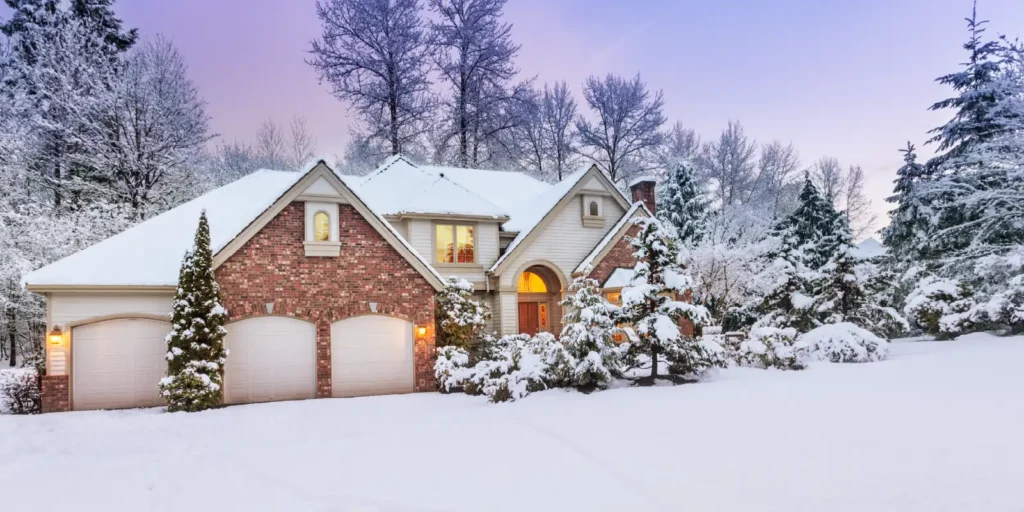
As temperatures drop, propane systems are exposed to snow, ice, and extreme cold that can affect both safety and performance. Without proper preparation, equipment may become obstructed, delivery access may be limited, and carbon monoxide risks may increase. For this reason, propane winter safety should always be prioritized before and throughout the cold season. With a few proactive steps, costly disruptions and dangerous conditions can often be avoided altogether.
Keep Your Propane Tank Properly Supplied
As temperatures drop, propane systems are exposed to snow, ice, and extreme cold that can affect both safety and performance. Without proper preparation, equipment may become obstructed, delivery access may be limited, and carbon monoxide risks may increase. For this reason, propane winter safety should always be prioritized before and throughout the cold season. With a few proactive steps, costly disruptions and dangerous conditions can often be avoided altogether.
Prevent Snow and Ice from Accumulating on Equipment
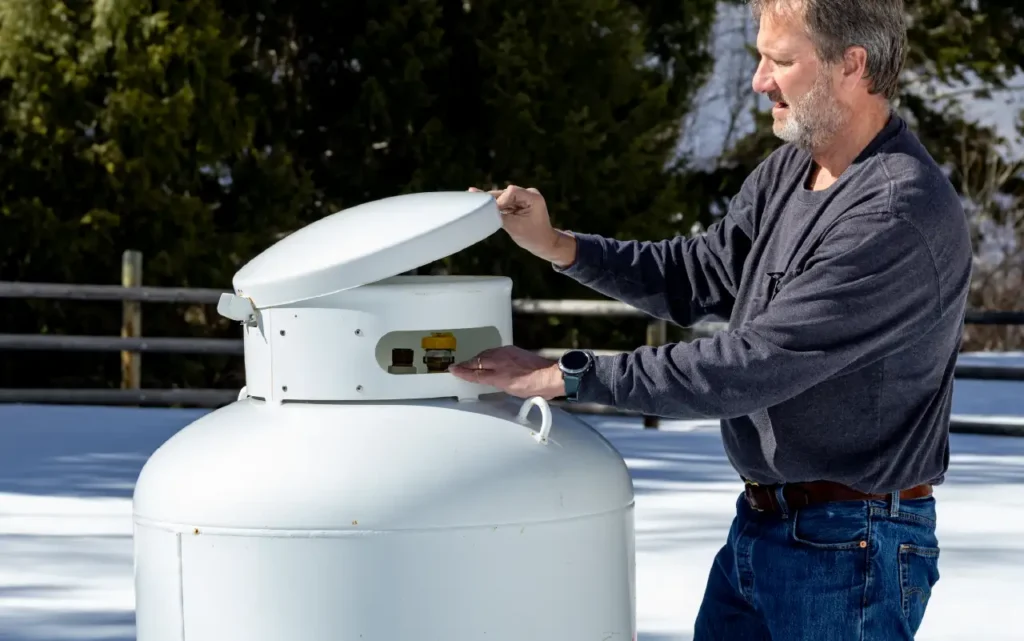
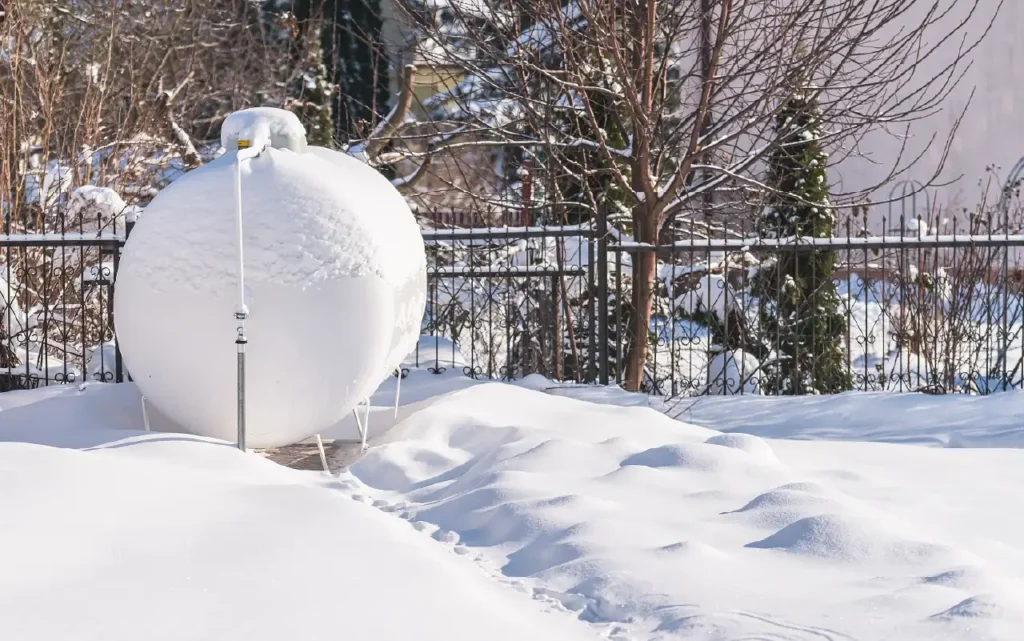
Snow and ice should never be allowed to build up on propane tanks, regulators, meters, or exposed piping. Light snow may be gently removed using a broom or by hand. However, if thick ice cannot be cleared safely, your propane provider should be contacted for assistance. At no time should equipment be kicked, struck, or forcefully hit, as damage may occur.
Monitor Rooflines, Structures, and Nearby Trees
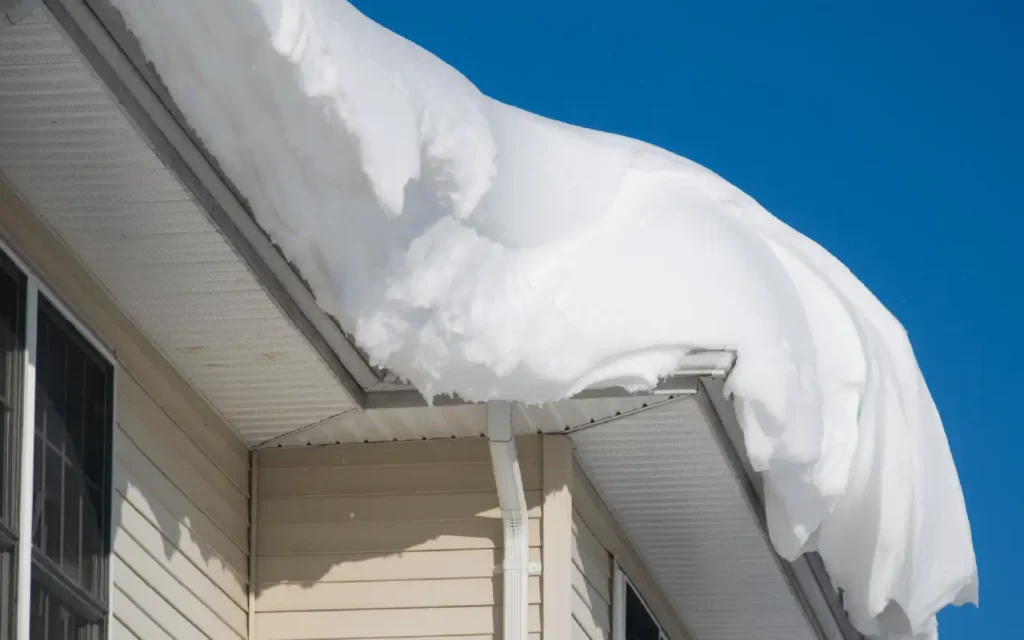
Ice and snow accumulation on rooftops, nearby structures, and trees should be checked frequently. When snow slides from elevated surfaces, propane tanks and regulators may be impacted without warning. For this reason, snow should never be shoveled from roofs directly onto propane equipment, as physical damage and safety hazards may result.
Keep Driveways and Tank Access Clear During Winter Storms
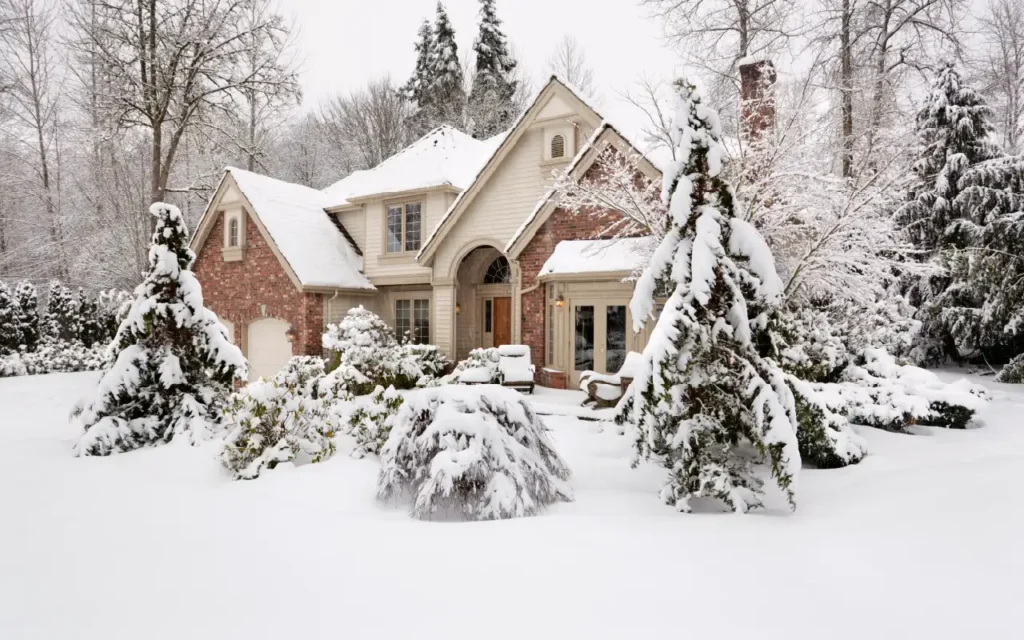
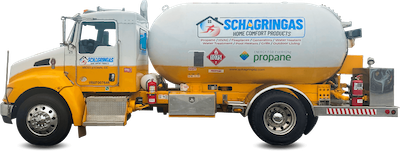
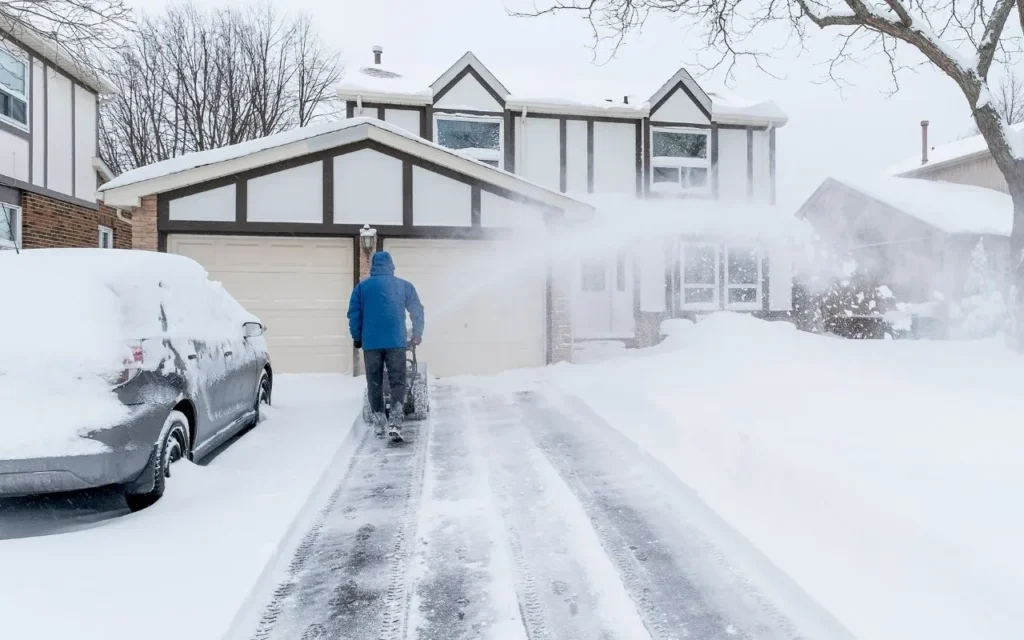
Winter storms can make propane deliveries and service visits more difficult if access to your tank is obstructed. For this reason, driveways, access roads, and pathways to the propane tank should be kept clear of snow and ice whenever possible. A minimum 10-foot-wide path is recommended for propane delivery trucks to safely reach your property. In addition, snow should not be pushed or piled around the tank, regulator, or piping, as this may restrict access, damage equipment, or interfere with proper ventilation. By maintaining clear access during winter weather, propane deliveries and service can be completed more safely and efficiently.
Keep Vents and Flues Clear at All Times
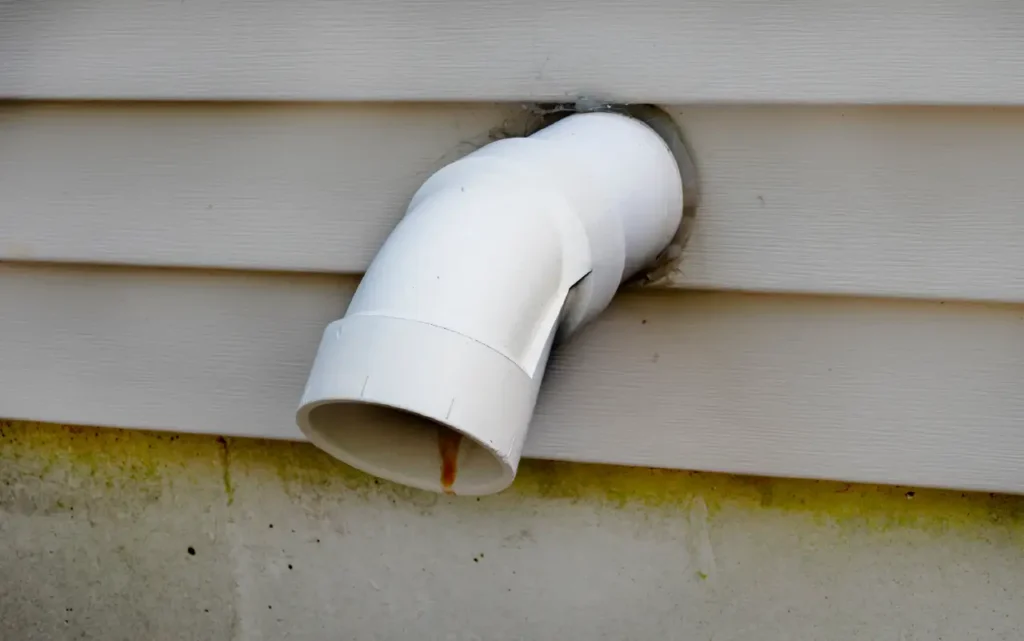
All appliance vents and chimney flues must remain free of snow and ice. This is especially critical for homes with direct-vent appliances that terminate close to ground level. If venting becomes blocked, carbon monoxide may become trapped inside the home. As a result, serious illness or even fatal conditions may develop. Regular vent inspections are strongly recommended throughout the winter months.
Ensure Your Tank and Regulator Are Clearly Marked
Propane tanks and regulators should always be clearly visible and properly marked. This allows both propane service professionals and emergency responders to locate equipment quickly when needed. Local ordinances regarding tank marking should also be followed to ensure compliance and safe operation.